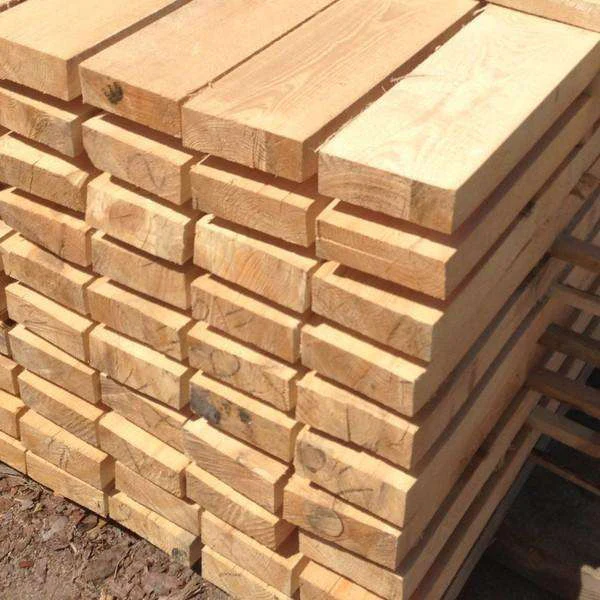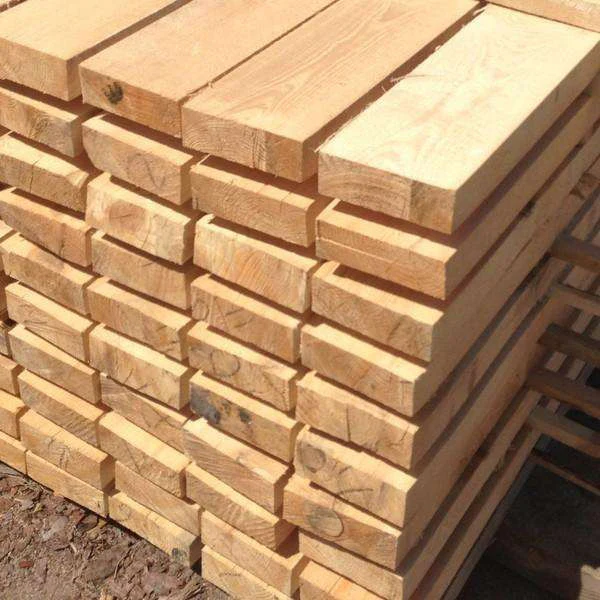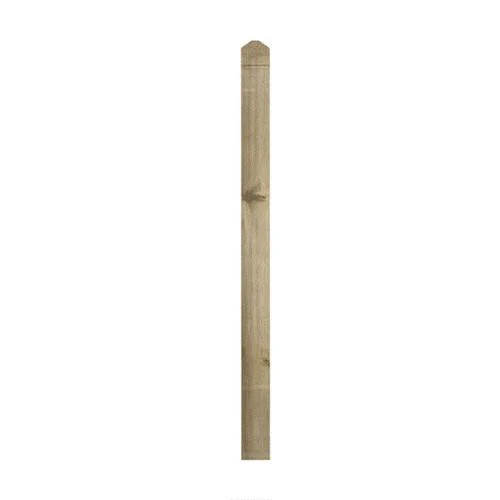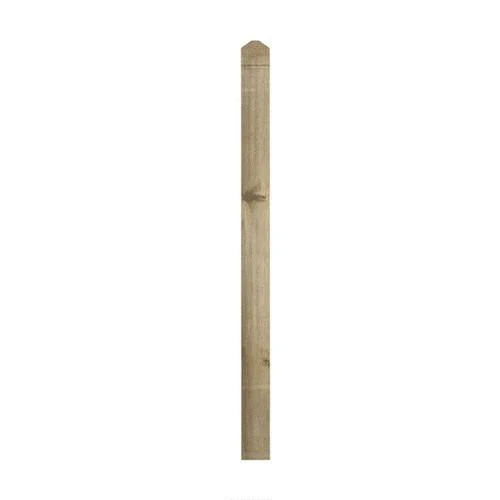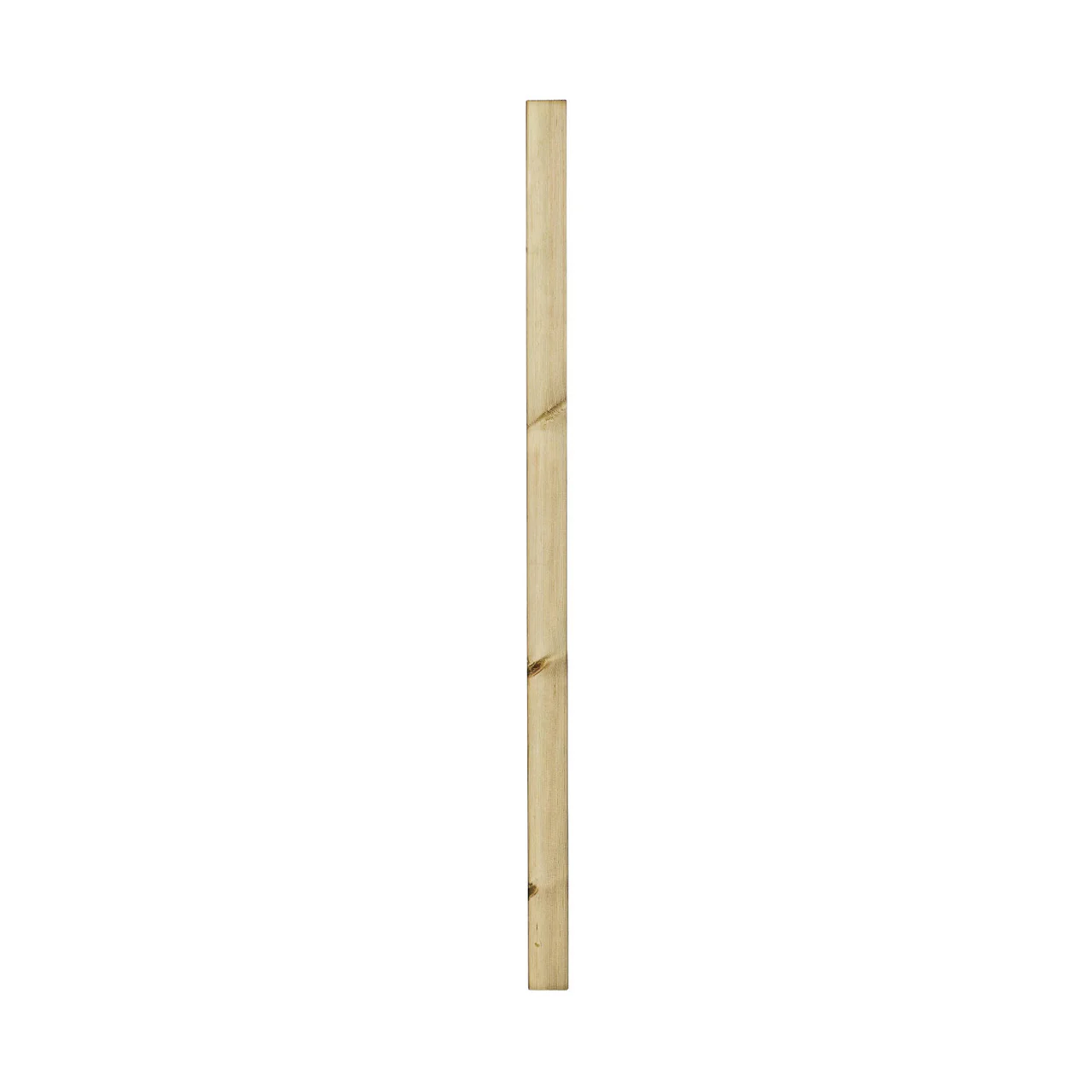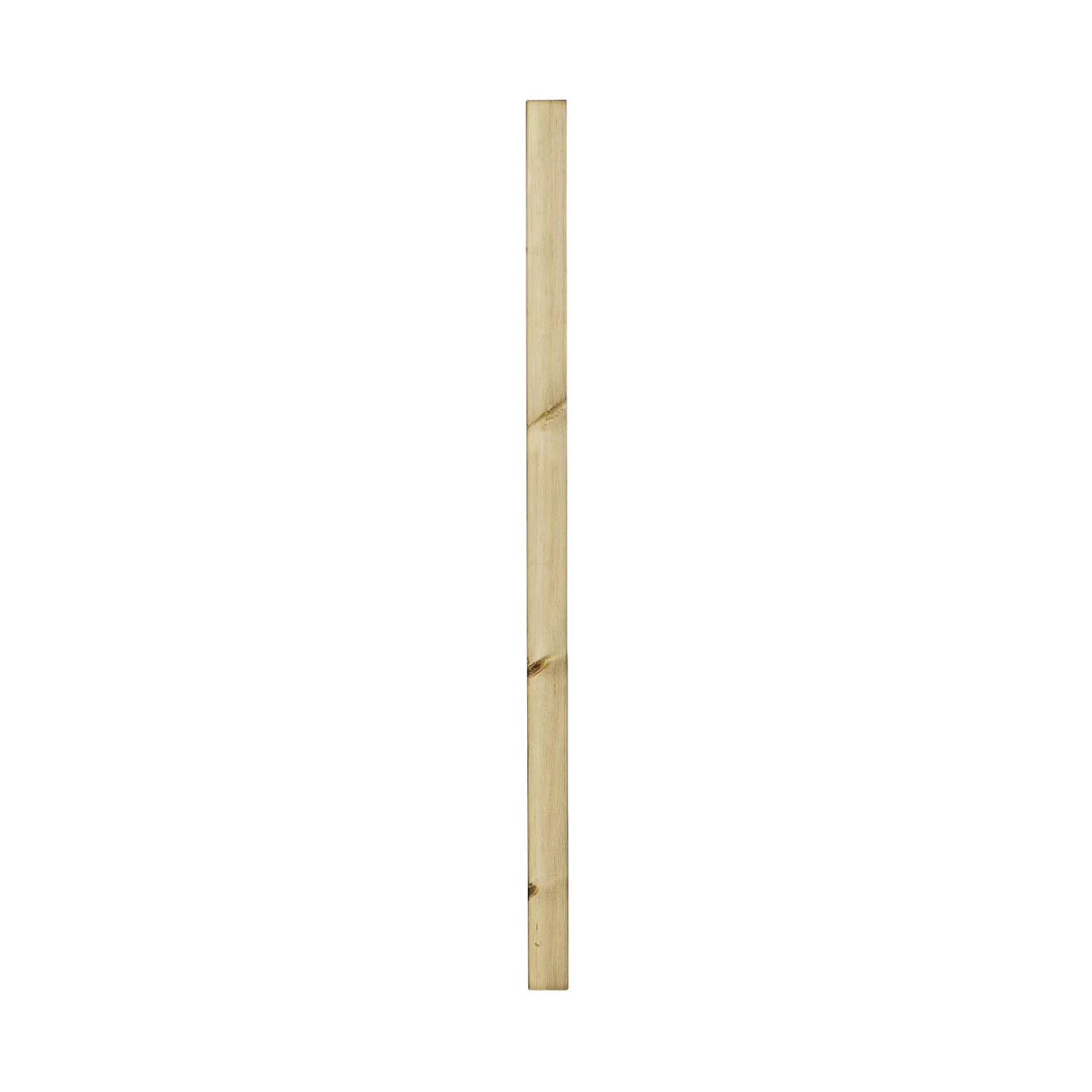

Treated Redwood V-Jointed T&G Cladding (PTGVJ) 25mm x 125mm
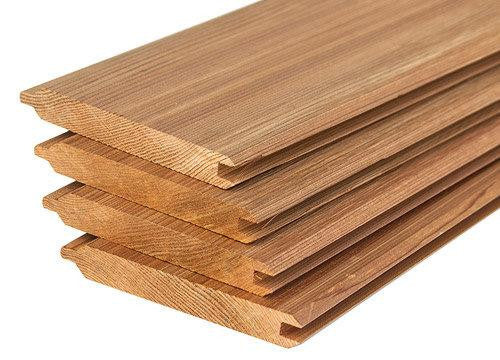
Treated Redwood V-Jointed Tongue and Groove Cladding (PTGVJ) in 25mm x 125mm is a pressure-treated, interlocking timber board machined from Scandinavian redwood and designed for external wall cladding on sheds, garden rooms, and outbuildings. The V-joint profile delivers a clean, defined appearance with a nominal cover of 110mm per board.
Specifications
| Property | Detail |
|---|---|
| Material | Scandinavian redwood (Pinus sylvestris) |
| Treatment | Pressure treated against rot and insect attack |
| Finish | Smooth planed |
| Profile | V-jointed tongue and groove (PTGVJ) |
| Nominal Size | 25mm x 125mm |
| Effective Cover | Approximately 110mm |
| Lengths Available | 4.2m, 4.5m, 4.8m |
| Use Class | External (above ground) |
What it's used for
- External wall cladding on timber-framed garden rooms and summerhouses
- Shed and outbuilding cladding where a neat, defined finish is required
- Replacement or repair cladding on existing structures where boards have deteriorated
- Feature wall cladding on porches, canopies, and covered outdoor structures
Fitting and handling
Before fixing, stack boards off the ground in a covered, ventilated space and allow at least 48 hours for them to acclimatise to site conditions, particularly in colder or wetter weather. Fix through the tongue at an angle using stainless steel or hot-dipped galvanised nails or screws to avoid staining and to allow for natural timber movement. Although the boards arrive pressure treated, exposed cut ends should be re-treated with a suitable end-grain preservative, and a top coat of paint, stain, or exterior wood preservative will extend the service life of the cladding.
FAQ
What is the difference between PTGVJ cladding and standard tongue and groove?
PTGVJ stands for Planed, Tongue and Groove, V-Jointed. The V-joint is a small chamfer machined onto the face edges of each board, so that when boards are fitted together the joint line is visible as a neat V-shaped groove. Standard tongue and groove cladding may have a flat or beaded joint. The V-joint profile is a popular choice where a traditional, defined finish is preferred.
Does pressure-treated cladding still need painting or staining?
Pressure treatment protects the timber against rot and insect attack from within the wood, but it does not seal the surface against moisture or UV exposure. Applying an exterior stain, paint, or preservative top coat is recommended to maintain the appearance of the boards and extend their working life, particularly on south- or west-facing elevations that receive direct sun and rain.
What size fixings should I use for 25mm x 125mm tongue and groove cladding?
For 25mm x 125mm T&G cladding, 50mm to 65mm stainless steel ring-shank nails or screws are typically suitable, fixed through the tongue at roughly 45 degrees into the underlying framework. Stainless steel or hot-dipped galvanised fixings are strongly recommended for external use to prevent rust staining on the face of the boards over time.
Nottage Timber Merchants supply treated tongue and groove cladding from our yard in Bridgend, South Wales, with competitive trade pricing available. Browse our full range of feather edge boards and external claddings for more options, and contact us for availability and next-day delivery across the South Wales area.
Original: $13.64
-65%$13.64
$4.77Product Information
Product Information
Shipping & Returns
Shipping & Returns
Description
Treated Redwood V-Jointed Tongue and Groove Cladding (PTGVJ) in 25mm x 125mm is a pressure-treated, interlocking timber board machined from Scandinavian redwood and designed for external wall cladding on sheds, garden rooms, and outbuildings. The V-joint profile delivers a clean, defined appearance with a nominal cover of 110mm per board.
Specifications
| Property | Detail |
|---|---|
| Material | Scandinavian redwood (Pinus sylvestris) |
| Treatment | Pressure treated against rot and insect attack |
| Finish | Smooth planed |
| Profile | V-jointed tongue and groove (PTGVJ) |
| Nominal Size | 25mm x 125mm |
| Effective Cover | Approximately 110mm |
| Lengths Available | 4.2m, 4.5m, 4.8m |
| Use Class | External (above ground) |
What it's used for
- External wall cladding on timber-framed garden rooms and summerhouses
- Shed and outbuilding cladding where a neat, defined finish is required
- Replacement or repair cladding on existing structures where boards have deteriorated
- Feature wall cladding on porches, canopies, and covered outdoor structures
Fitting and handling
Before fixing, stack boards off the ground in a covered, ventilated space and allow at least 48 hours for them to acclimatise to site conditions, particularly in colder or wetter weather. Fix through the tongue at an angle using stainless steel or hot-dipped galvanised nails or screws to avoid staining and to allow for natural timber movement. Although the boards arrive pressure treated, exposed cut ends should be re-treated with a suitable end-grain preservative, and a top coat of paint, stain, or exterior wood preservative will extend the service life of the cladding.
FAQ
What is the difference between PTGVJ cladding and standard tongue and groove?
PTGVJ stands for Planed, Tongue and Groove, V-Jointed. The V-joint is a small chamfer machined onto the face edges of each board, so that when boards are fitted together the joint line is visible as a neat V-shaped groove. Standard tongue and groove cladding may have a flat or beaded joint. The V-joint profile is a popular choice where a traditional, defined finish is preferred.
Does pressure-treated cladding still need painting or staining?
Pressure treatment protects the timber against rot and insect attack from within the wood, but it does not seal the surface against moisture or UV exposure. Applying an exterior stain, paint, or preservative top coat is recommended to maintain the appearance of the boards and extend their working life, particularly on south- or west-facing elevations that receive direct sun and rain.
What size fixings should I use for 25mm x 125mm tongue and groove cladding?
For 25mm x 125mm T&G cladding, 50mm to 65mm stainless steel ring-shank nails or screws are typically suitable, fixed through the tongue at roughly 45 degrees into the underlying framework. Stainless steel or hot-dipped galvanised fixings are strongly recommended for external use to prevent rust staining on the face of the boards over time.
Nottage Timber Merchants supply treated tongue and groove cladding from our yard in Bridgend, South Wales, with competitive trade pricing available. Browse our full range of feather edge boards and external claddings for more options, and contact us for availability and next-day delivery across the South Wales area.